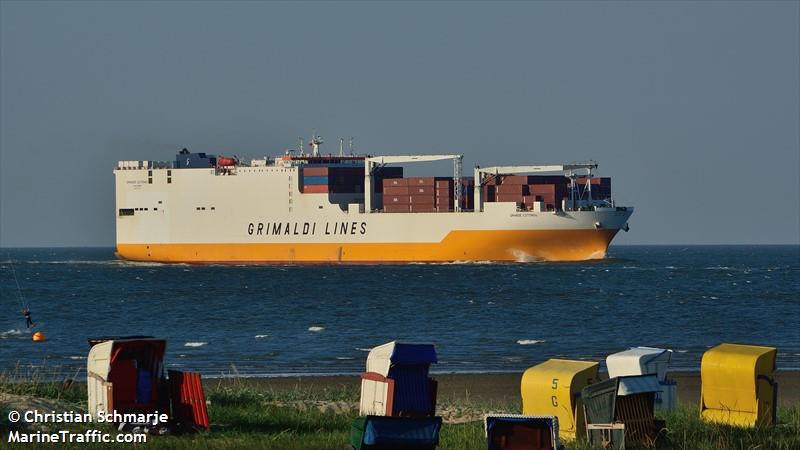
How to Ship Cars by Container
Step-by-Step Guide
1️⃣ Choose the Right Container.
The container protects the car during sea transport.
Common options: Container Type Capacity Best For 20ft Container
1 car Single vehicle, personal shipment 40ft Container 2 cars Two standard-size cars or one SUV + small car 40ft High Cube
2–3 cars (if compact) Taller or longer vehicles, or combined goods + car ➡️
Cars are either driven in and secured, or lifted using a ramp or forklift.
2️⃣ Prepare the Vehicle Before loading: Clean the car (inside & outside) Remove personal items Check for leaks or mechanical issues Leave about ¼ tank of fuel (for safety regulations) Disconnect the battery if required by the shipping line Take photos for condition documentation Optional: wrap or cover the vehicle for extra protection.
3️⃣ Load and Secure the Car in the Container At the warehouse or port: The car is carefully driven or lifted into the container. It’s secured with wheel chocks, straps, and wooden blocks to prevent any movement. The handbrake is engaged, and the tires are strapped to the floor. The container doors are sealed with a customs seal number.
✅ Professional loading ensures zero movement even during heavy sea conditions.
4️⃣ Export Documentation You’ll need: Vehicle title / registration papers Bill of Sale or Invoice Export declaration (if shipping from the EU) Bill of Lading (B/L) – issued after loading Photo ID / company documents Optional:
Certificate of Origin or insurance papers Freight forwarders or export agents usually handle this step.
5️⃣ Choose Port of Departure & Destination Common export ports: Hamburg Bremerhaven Wilhelmshaven Antwerp.
Examples of destination ports:
Monrovia (Liberia) Freetown (Sierra Leone)
Tema (Ghana)
Lagos (Nigeria)
Freetown (Sierra Leone)
New York (USA)
Shanghai (China)
6️⃣ Shipping & Transit Once loaded, the container is placed on a vessel.
Transit times depend on distance:
Europe → West Africa: ~15–25 days
Europe → Middle East: ~20–30 days
Europe → Asia: ~35–45 days
You can track the shipment online via the container number or Bill of Lading.
7️⃣ Customs Clearance at Destination At arrival:
The consignee (receiver) presents the Bill of Lading, invoice, and ID to local customs. Import duties, port charges, and taxes are paid.
The car is released after clearance and can be picked up or delivered inland.
8️⃣ Insurance (Recommended) Marine cargo insurance covers loss or damage during transport. Usually costs 0.3%–0.7% of the car’s declared value.
✅ Advantages of Container Shipping
✔️ Full protection from weather, theft, or damage
✔️ Ability to include spare parts or personal items
✔️ Secure loading and sealed container tracking
✔️ Works for single cars or multiple vehicles Alternative: RoRo (Roll-on/Roll-off) Shipping.
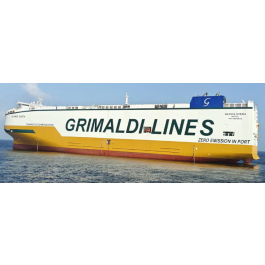
If cost is more important than security, you can choose RoRo shipping — where cars are driven onto the ship’s deck instead of sealed in a container. It’s cheaper but less protected.

e-mail: support@carsexport.eu